Archives
- 2026-08
- 2026-07
- 2026-06
- 2026-05
- 2026-04
- 2026-03
- 2026-02
- 2026-01
- 2025-12
- 2025-11
- 2025-10
- 2025-09
- 2025-03
- 2025-02
- 2025-01
- 2024-12
- 2024-11
- 2024-10
- 2024-09
- 2024-08
- 2024-07
- 2024-06
- 2024-05
- 2024-04
- 2024-03
- 2024-02
- 2024-01
- 2023-12
- 2023-11
- 2023-10
- 2023-09
- 2023-08
- 2023-07
- 2023-06
- 2023-05
- 2023-04
- 2023-03
- 2023-02
- 2023-01
- 2022-12
- 2022-11
- 2022-10
- 2022-09
- 2022-08
- 2022-07
- 2022-06
- 2022-05
- 2022-04
- 2022-03
- 2022-02
- 2022-01
- 2021-12
- 2021-11
- 2021-10
- 2021-09
- 2021-08
- 2021-07
- 2021-06
- 2021-05
- 2021-04
- 2021-03
- 2021-02
- 2021-01
- 2020-12
- 2020-11
- 2020-10
- 2020-09
- 2020-08
- 2020-07
- 2020-06
- 2020-05
- 2020-04
- 2020-03
- 2020-02
- 2020-01
- 2019-12
- 2019-11
- 2019-10
- 2019-09
- 2019-08
- 2019-07
- 2019-06
- 2019-05
- 2019-04
- 2018-07
-
br Clinical trials testing GLP mimetics in
2021-11-26
Clinical trials testing GLP-1 mimetics in AD or PD patients GIP analogues show good neuroprotective effects in animal models of AD and PD Glucose-dependent insulinotropic polypeptide (GIP) is a 42-amino Methscopolamine incretin growth factor which activates pancreatic islets to enhance insuli
-
Inflammasomes are multimeric protein complexes involved
2021-11-26
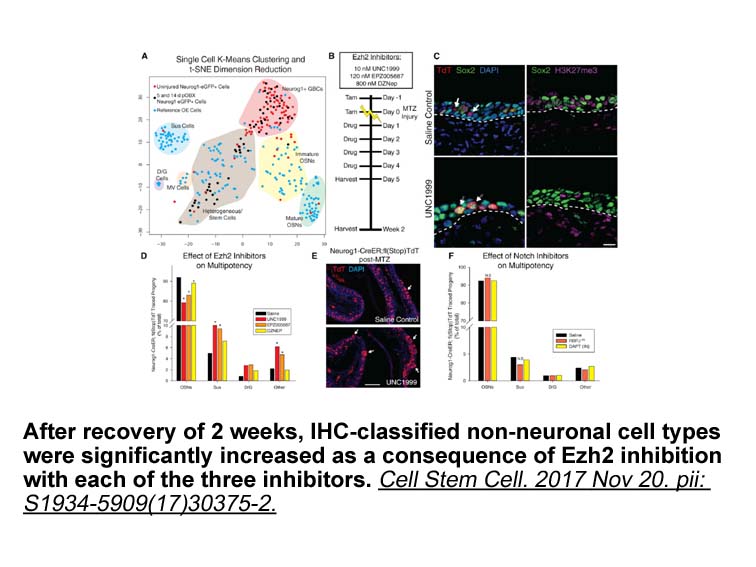
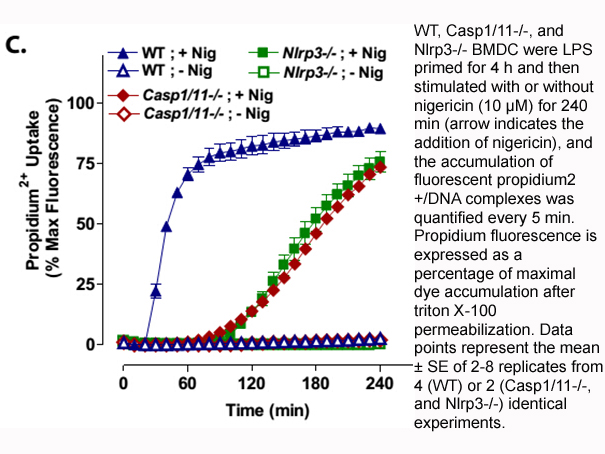
Inflammasomes are multimeric protein complexes involved in the host defense protecting activity against invading pathogens and in physiological aberrations such as cancer and auto-inflammatory, metabolic, and neurodegenerative diseases. Inflammasomes induce the inflammatory process by triggering the
-
br Site of expression FASTK is expressed
2021-11-26
Site of expression FASTK is expressed in various parts of human body including heart, skeletal muscle, brain, placenta, lung, liver, kidney pancreas (Ota et al., 2004) and many other organs (Fig. 1). It has been reported that FASTK is highly expressed in pancreatic tumors, where it is involved in
-
About of human primary melanomas and of melanoma metastases
2021-11-26
About 67% of human primary melanomas and 56% of melanoma metastases display cytoplasmic or nuclear β-catenin accumulation (Xue et al., 2016). Of note, active β-catenin stimulates emergence of metastasizing melanoma in mice harboring BrafV600E or NrasQ61K hyperplasia (Damsky et al., 2011, Delmas et a
-
BMP signals play pivotal roles in the various
2021-11-26
BMP signals play pivotal roles in the various processes of chondrogenesis [12], [13]. At early stages of chondrogenesis, BMP signaling regulates the differentiation of mesenchymal epirubicin into chondrocytes via the induction of Sox9[29]. The loss of Noggin, a BMP antagonist, results in the overgr
-
Genome wide binding and transcriptome analyses
2021-11-26
Genome-wide binding and transcriptome analyses demonstrate that Fbxl10 directly binds the Areg, Mdk, Lmnb1, Thbs1, Mgp and Cxcl12 locus and thereby might influences the expression of these migration associated genes. The expression of epidermal growth factor (EGF)-like molecule Amphiregulin (Areg)
-
Tubastatin A sale br Hedgehog pathway The Hedgehog pathway F
2021-11-26
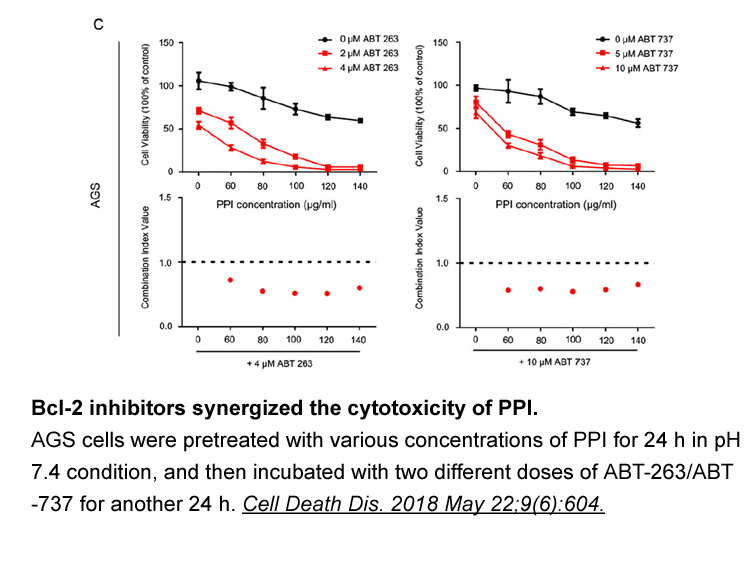
Hedgehog pathway The Hedgehog pathway (Fig. 1) derives its name from Hh gene mutant Drosophila, which presents a spiked phenotype resembling the animal “hedgehog” [13]. The Hh proteins control embryonic development in vertebrates, where the signaling mechanisms mediated by the proteins are multip
-
The activation of AKT and ERK results in the stabilization
2021-11-26

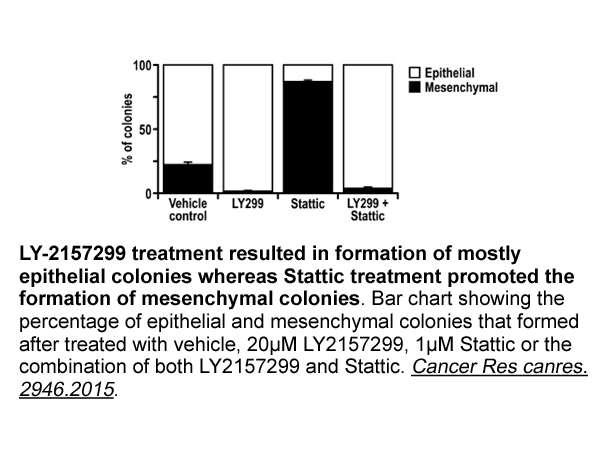
The activation of AKT and ERK1/2 results in the stabilization and increase in the co-transcriptional function of β-catenin [31], [32], [33]. Here, (R,R′)-MNF was found to reduce the levels of phospho-active AKT and ERK, which, in turn, may regulate the abundance and signaling potential of β-catenin.
-
FRAX597 The synthesized methoxyamide derivatives were evalua
2021-11-26
The synthesized -methoxyamide derivatives were evaluated for in vitro as GPR119 agonists (, , ) whereas GSK1292263 (II in ) was used as the reference standard. To identify novel sulfone or tetrazole surrogates, diverse functional groups including amide, -sulfonyl amide, hydrazide, -methoxy--methyla
-
Being a facultative intracellular pathogen C pseudotuberculo
2021-11-25
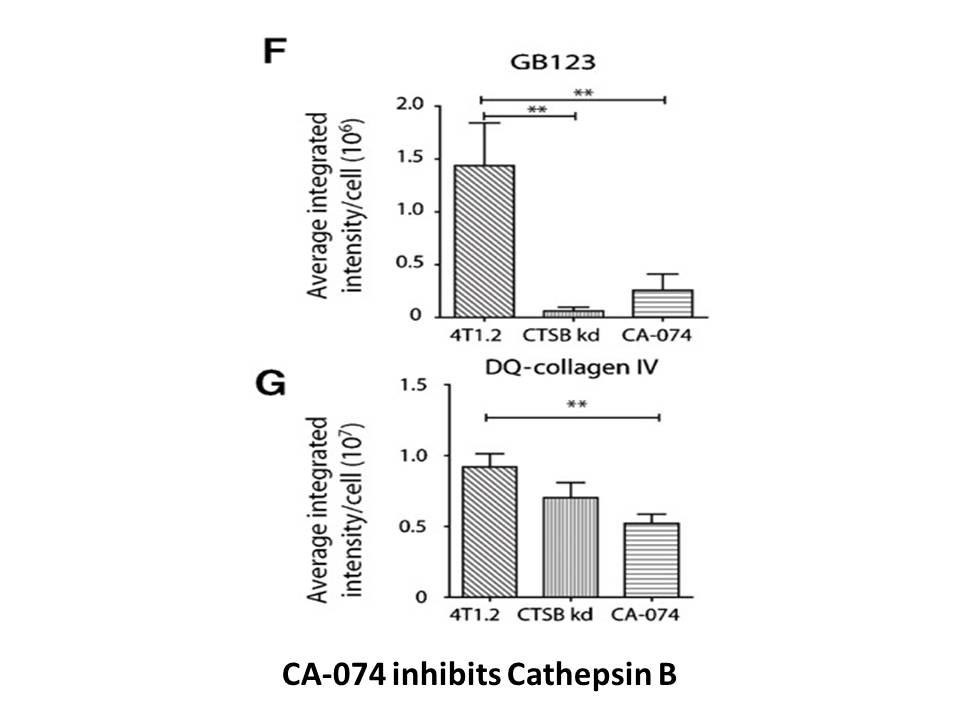
Being a facultative intracellular pathogen, C. pseudotuberculosis is exposed to oxygen and nitrogen species (ROS and RNS, respectively) reactive environment within macrophages (Nathan and Shiloh, 2000), apart from species endogenously generated by metabolic processes. These molecules interact with D
-
As a part of our continuing efforts
2021-11-25
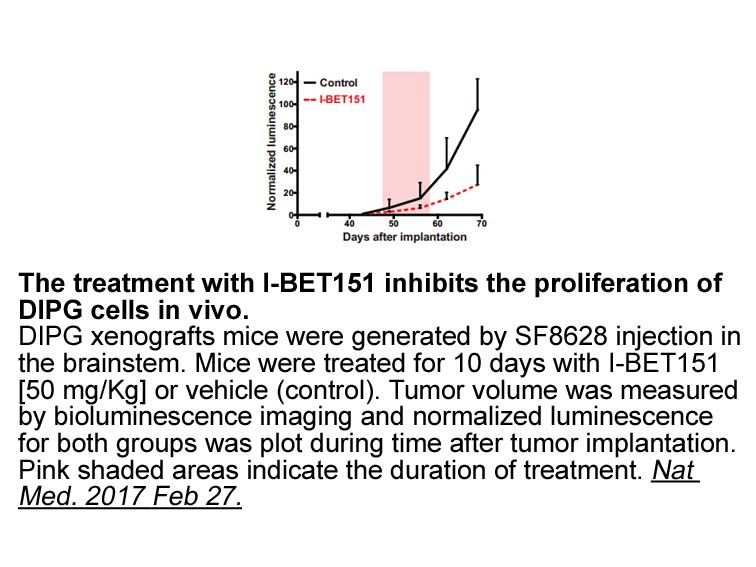
As a part of our continuing efforts towards discovery of new class of compounds against different therapeutic areas and based on the literature reports, we designed a dual pharmacophore which possess a long aliphatic chain of free fatty acids and a phenyl propanoid part of known GPR40 agonists. Here
-
br Acknowledgements br Introduction Benzodiazepine
2021-11-25
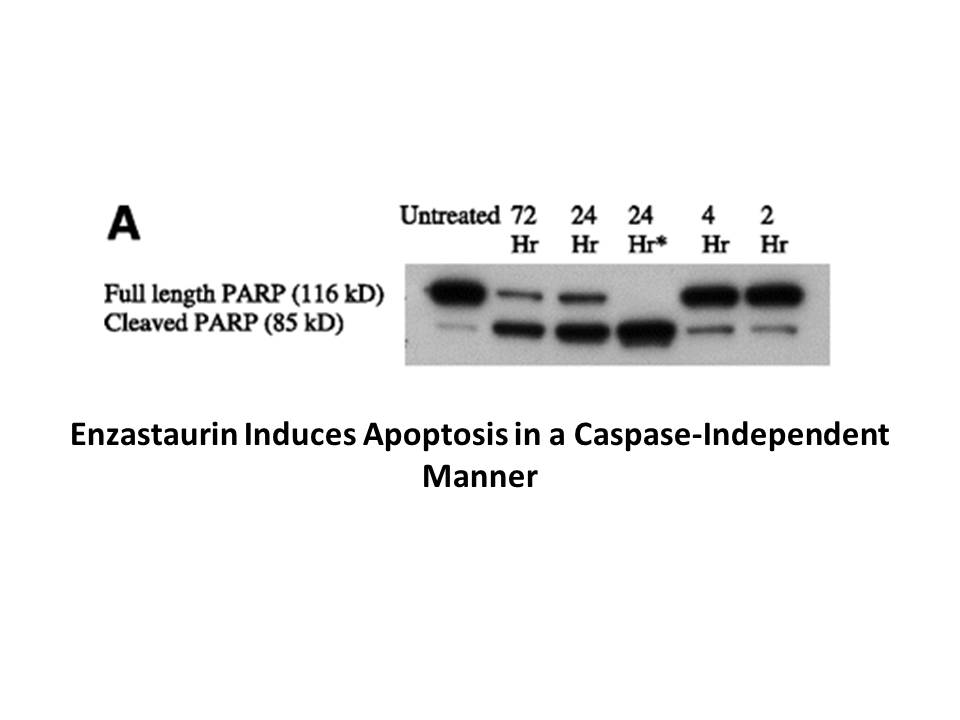
Acknowledgements Introduction Benzodiazepine (BZ) treatment is widely used for quick and efficient anxiolytic and sedative responses. However, when the use is extended to longer periods, adverse effects emerge. These include tolerance to the initial drug effect, dependence as revealed by withd
-
Primarily because secretase was a
2021-11-25

Primarily because γ-secretase was a therapeutic target in AD, a plethora of γ-secretase inhibitors (GSIs) have been developed that effectively inhibit γ-secretase cleavage in humans [16]. Indeed, “druggability” of γ-secretase has not been an issue even when the identity of the target was unknown in
-
Galanin mediates its activity by binding to three
2021-11-25

Galanin mediates its activity by binding to three G-protein coupled receptor subtypes (designated GAL1-GAL3). Since GAL3 mRNA is found mainly in regions of the mesolimbic dopamine system, such as the ventral tegmental area, dorsal raphe nucleus, LC, amygdala, hippocampus, thalamus, hypothalamus, NAc
-
UNC2025 Based on the above considerations
2021-11-25
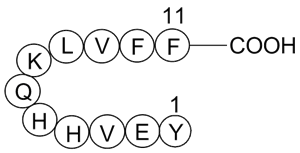
Based on the above considerations, the β-galactosidase gene from Exiguobacterium acetylicum MF03 (not previously reported) was cloned, expressed and purified with the aim of assessing the potential of this novel enzyme for catalyzing reactions of synthesis and hydrolysis of glycosides. Because of E.
16506 records 585/1101 page Previous Next First page 上5页 581582583584585 下5页 Last page