Archives
- 2026-10
- 2026-09
- 2026-08
- 2026-07
- 2026-06
- 2026-05
- 2026-04
- 2026-03
- 2026-02
- 2026-01
- 2025-12
- 2025-11
- 2025-10
- 2025-09
- 2025-03
- 2025-02
- 2025-01
- 2024-12
- 2024-11
- 2024-10
- 2024-09
- 2024-08
- 2024-07
- 2024-06
- 2024-05
- 2024-04
- 2024-03
- 2024-02
- 2024-01
- 2023-12
- 2023-11
- 2023-10
- 2023-09
- 2023-08
- 2023-07
- 2023-06
- 2023-05
- 2023-04
- 2023-03
- 2023-02
- 2023-01
- 2022-12
- 2022-11
- 2022-10
- 2022-09
- 2022-08
- 2022-07
- 2022-06
- 2022-05
- 2022-04
- 2022-03
- 2022-02
- 2022-01
-
siRNA construction and transfection For small interfering RN
2022-05-10
siRNA construction and transfection. For small interfering RNA (siRNA) experiments, we used Stealth™ select RNAi oligonucleotides targeted against GPR120 (Gibco/Invitrogen). The target sequence of siGPR120 used were; sense 5′-AAGUGGGUGCGAUUGACUUGGUCCA-3′ and antisense 5′-UGGACCAAGUCAAUCGCACCCACUU-3′
-
br Materials and methods br Results and discussion br Confli
2022-05-10
Materials and methods Results and discussion Conflict of interest Introduction In the presence of continuous and excessive levels of nutrients, adipocytes become hypertrophic and release several pro-inflammatory adipocytokines such as interleukin-6 (IL-6), monocyte chemoattractant protei
-
Dendritic damage and loss of synaptic
2022-05-10
Dendritic damage and loss of synaptic connections correlate with cognitive decline in HAND patients. Synapse loss induced by HIV proteins occurs early and via a different signaling pathway from that leading to neuronal death (Kim et al., 2008), suggesting that synapse loss might be a mechanism to re
-
br Funding This work was supported by grants
2022-05-10
Funding This work was supported by grants of the National Academy of Sciences of Ukraine within the programs “Molecular and cellular biotechnologies for medicine, industry and agriculture” (#35-2018), “Scientific Space Research for 2018-2022” (#19-2018), “Smart sensory devices of a new generation
-
br Introduction As is now well known
2022-05-10
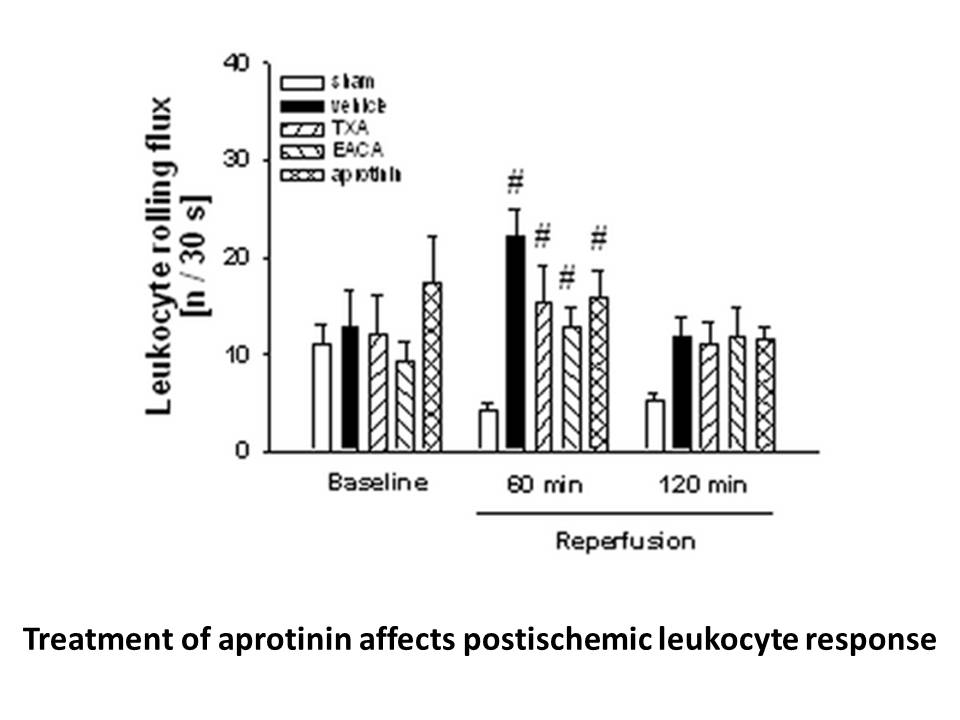
Introduction As is now well known, obesity is major risk factor for various diseases such as nonalcoholic fatty liver disease, cardiovascular disease, some cancers (McWilliams and Petersen, 2009), type-2 diabetes mellitus (Jakobsen et al., 2007), and hypertension (Aneja et al., 2004), among other
-
br Introduction Most organisms require glucose as
2022-05-10
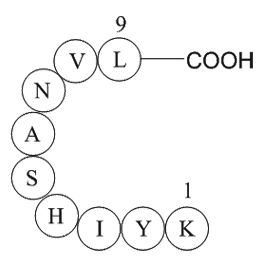
Introduction Most organisms require glucose as a key metabolite, and it is critical that mammalian cells regulate glucose levels properly to maintain bioenergetic homeostasis. The major transporters responsible for the uptake of glucose from systemic circulation into cells are the GLUTs, members
-
The most classic case of acquired and relapsing epilepsy
2022-05-09
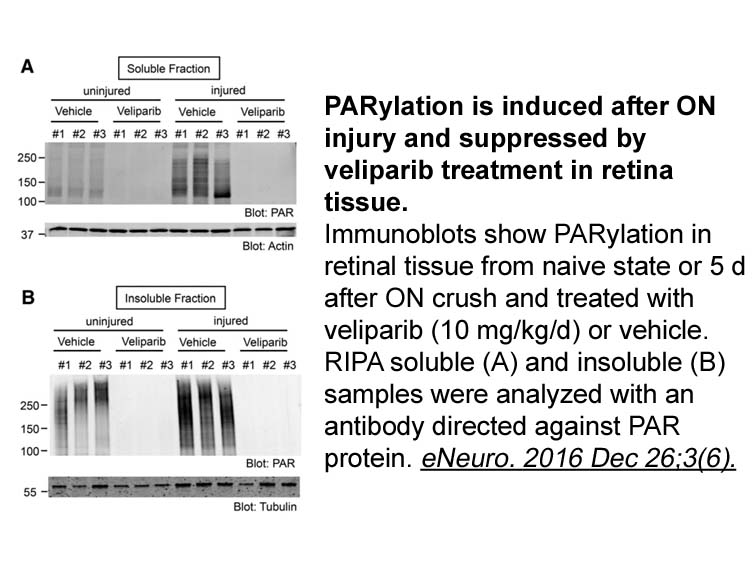
The most classic case of acquired and relapsing epilepsy is temporal lobe epilepsy (TLE), which originates from the hippocampal formation, a structure situated in the mesial temporal lobe (Majores et al., 2007). Our experiment used the prominent pilocarpine-induced TLE model. Systemic administration
-
br Experimental br Results and discussions br Conclusion br
2022-05-09
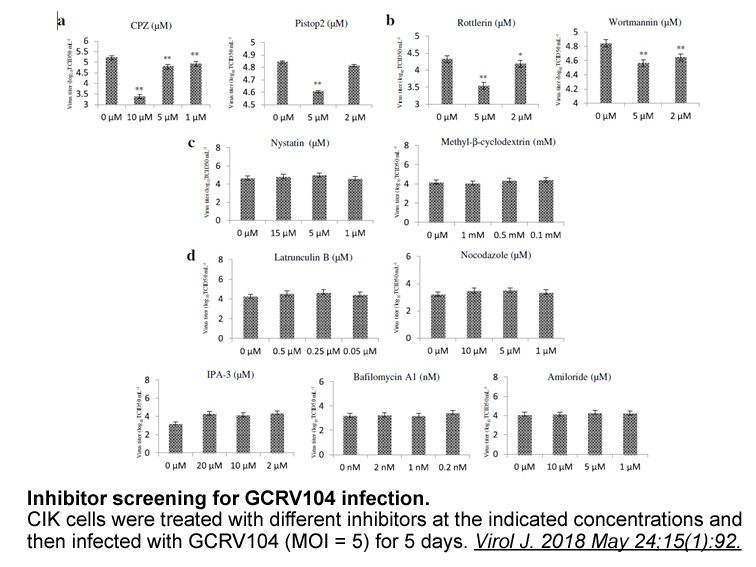
Experimental Results and discussions Conclusion Notes Introduction The noncanonical DNA structures that is, i-motif [[1], [2], [3], [4], [5], [6], [7], [8], [9]] and G-quadruplex [[10], [11], [12], [13], [14]] have recently been carefully studied using either experimental or computati
-
Brain derived neurotrophic factor BDNF
2022-05-09
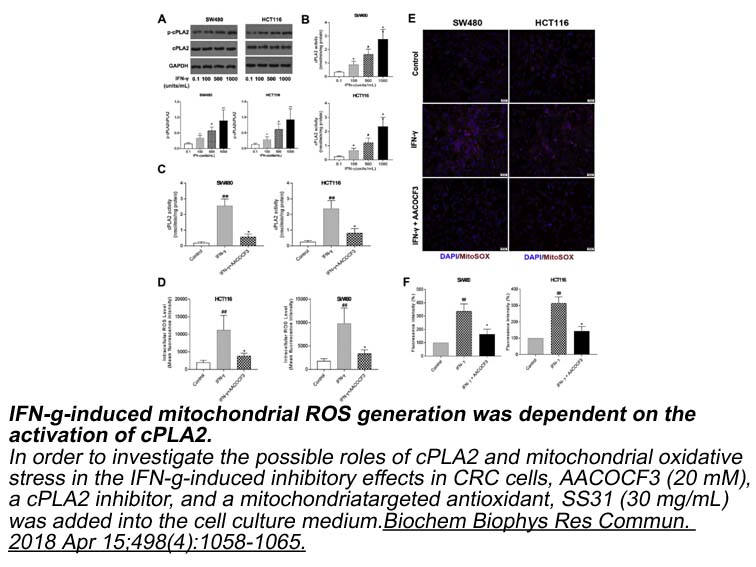
Brain-derived neurotrophic factor (BDNF) is the most abundant growth factor in the brain and is critical for neuronal development and synaptic plasticity (Bekinschtein et al., 2008; Lu et al., 2014). Besides playing an important role in mood and cognition, BDNF is also involved in the regulation of
-
In conclusion our results showed that FFAR can mediate the
2022-05-09
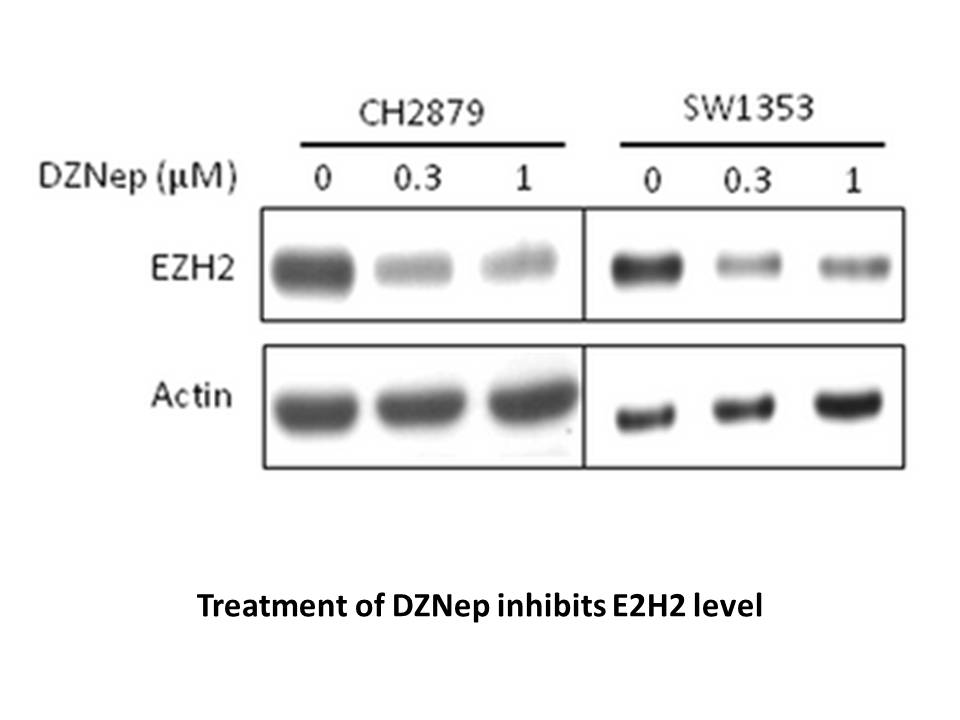
In conclusion, our results showed that FFAR1 can mediate the effect of PIO in attenuating β-cell lipoapoptosis through anti-oxidative stress, which may be related to the activation of the PLCγ-ERK1/2-PPARγ pathway. Our study helps not only to distinguish the role played by FFAR1 in lipotoxicity, but
-
Ivacaftor benzenesulfonate Sumoylation of transcription fact
2022-05-09
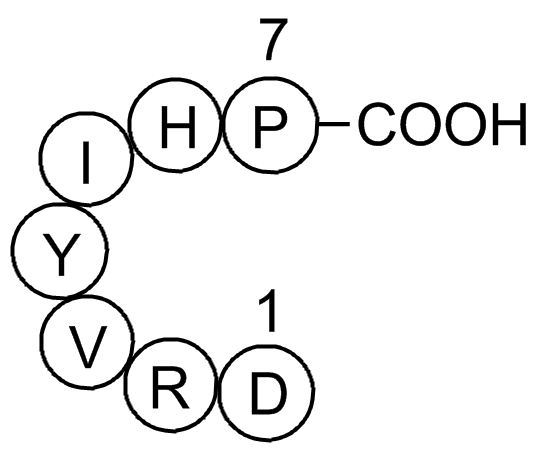
Sumoylation of transcription factors has been generally linked to transcriptional repression and, in a few cases, to transcriptional activation [60] Accumulating evidence implies that corepressor complex subunits, including CoREST, CtBP, Daxx, NCoR1, SMRT and histone deacetylase complexes (HDACs), p
-
The primary cancer lesion was mostly in the uterus and
2022-05-09
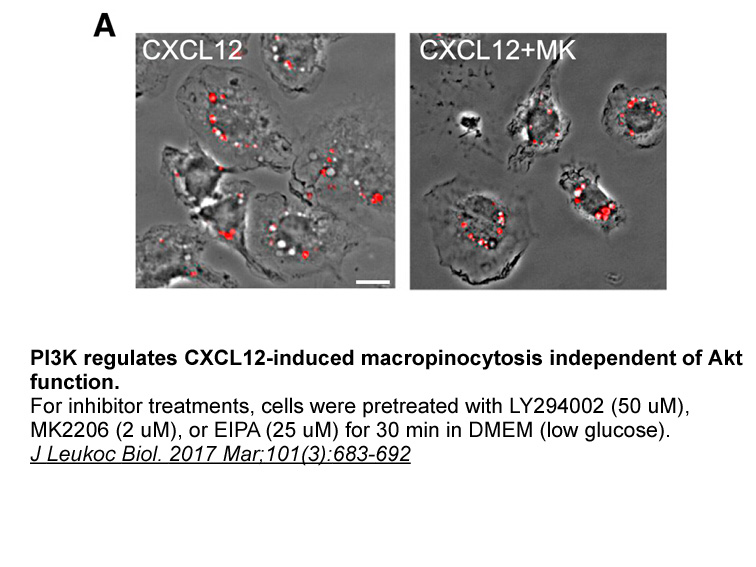
The primary cancer lesion was mostly in the uterus and adnexa, followed by the gastrointestinal tract, brain, blood, and kidney and gsk products (Fig. 2A). Histopathological findings indicated that most cancers were adenocarcinomas, followed by squamous cell carcinomas, glioblastomas, malignant lym
-
Sperm capacitation was negatively r p related with CR
2022-05-09
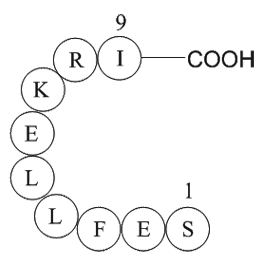
Sperm capacitation was negatively (r = −0.68; p ive but not significant (r = 0.22). No significant relationship was observed between the expression levels of either CB1 receptor or FAAH and any of the sperm quality parameters studied. The scatter plot distribution of spermatozoa expression of CB1 an
-
As concerns TRPV assays benzylic amides and benzylic reverse
2022-05-09
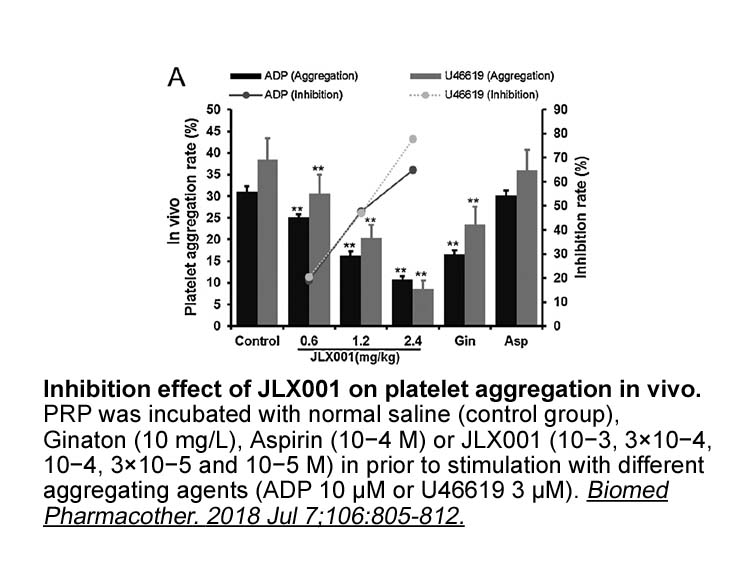
As concerns TRPV1 assays, benzylic amides and benzylic reverse amides exhibited an overall superiority over their aryl counterparts and , and ureas and . A reversed trend was however observed with the 4-chlorostyryl and 4--butylphenyl moieties (compare compounds and ; , , and ; and ). The EC a
-
br Acknowledgments R Dalmann has obtained
2022-05-09
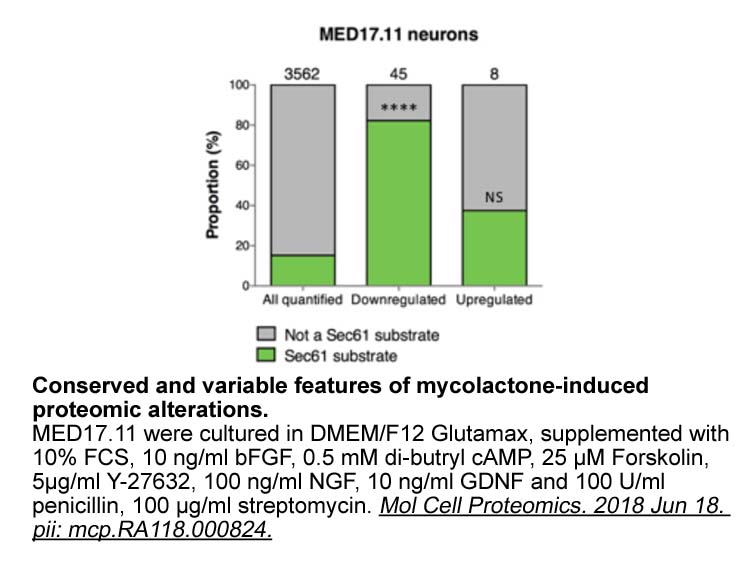
Acknowledgments R. Dalmann has obtained a “bourse Cifre” (grant 304/2011) from the ‘Association Nationale de la Recherche Technique’ and Bristol-Myers-Squibb. Introduction Endocannabinoids, their molecular targets (receptors), their synthetic and degrading enzymes and proteins that transport
8532 records 496/569 page Previous Next First page 上5页 496497498499500 下5页 Last page