Archives
- 2026-10
- 2026-09
- 2026-08
- 2026-07
- 2026-06
- 2026-05
- 2026-04
- 2026-03
- 2026-02
- 2026-01
- 2025-12
- 2025-11
- 2025-10
- 2025-09
- 2025-03
- 2025-02
- 2025-01
- 2024-12
- 2024-11
- 2024-10
- 2024-09
- 2024-08
- 2024-07
- 2024-06
- 2024-05
- 2024-04
- 2024-03
- 2024-02
- 2024-01
- 2023-12
- 2023-11
- 2023-10
- 2023-09
- 2023-08
- 2023-07
- 2023-06
- 2023-05
- 2023-04
- 2023-03
- 2023-02
- 2023-01
- 2022-12
- 2022-11
- 2022-10
- 2022-09
- 2022-08
- 2022-07
- 2022-06
- 2022-05
- 2022-04
- 2022-03
- 2022-02
- 2022-01
-
ACh induced changes in respiratory frequency could be of
2024-09-26
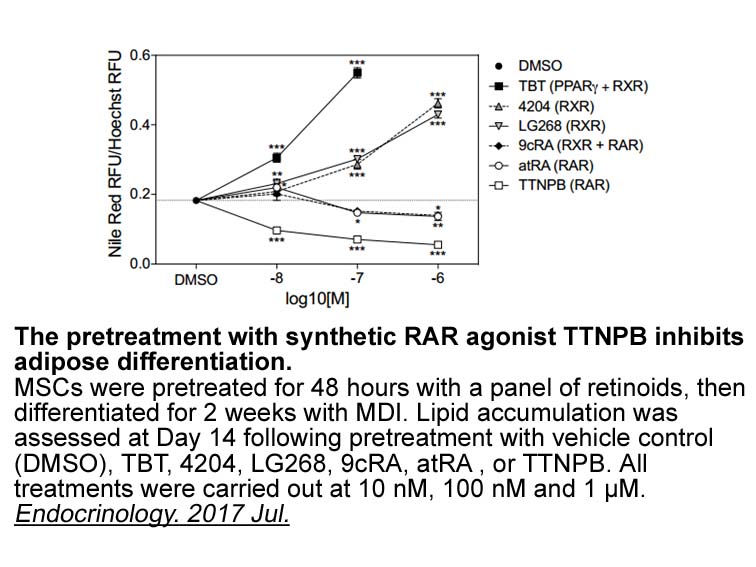
ACh-induced changes in respiratory frequency could be of interest. They may reveal an important mechanism of respiratory modulation at the caudal NTS level. ACh-induced increases in respiratory frequency within this region have been also reported by Furuya et al. (2014). Changes in respiratory timin
-
There is also a literature on the impact of
2024-09-26

There is also a literature on the impact of commodity (consumption) taxation under imperfect competition. Besley (1989) applies a Cournot model, in which production takes place under IRS and in which free entry leads to an excessive number of firms in the market. Introducing a distortive specific co
-
8351 In the previous study we demonstrated the importance of
2024-09-26

In the previous study, we demonstrated the importance of the mPFC postsynaptic 5-HT1A receptor in the sustained antidepressant effects, because a sustained antidepressant effect was obtained with intra-mPFC injection, but not systemic injection of 8-OH-DPAT, a 5-HT1A receptor agonist (Fukumoto et al
-
br Funding This study was supported by
2024-09-25
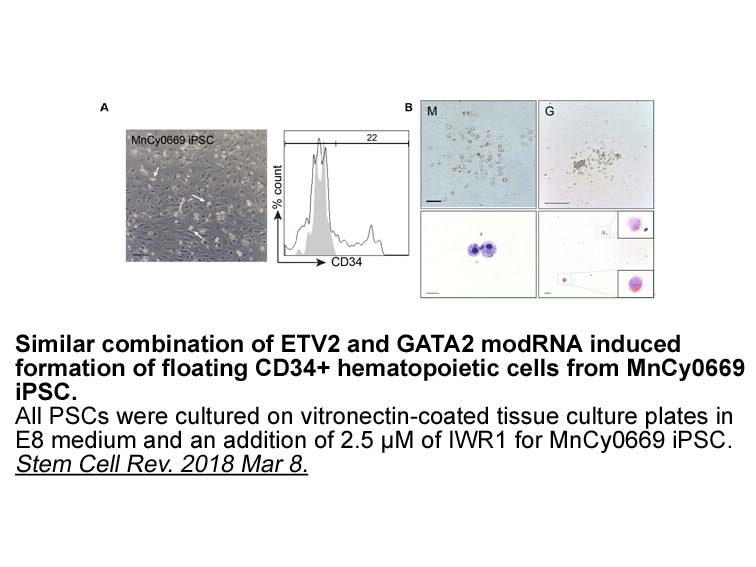
Funding This study was supported by Grant UM1-CA186690 (NCI-CTEP) and R01CA204173 (CJB). This project used the UPCI Cancer Pharmacokinetics and Pharmacodynamics Facility (CPPF) and was supported in part by award P30-CA47904 and R50CA211241. Introduction Despite the efficacy of platinum based
-
br Discussion br Acknowledgments Writing of this review and
2024-09-25
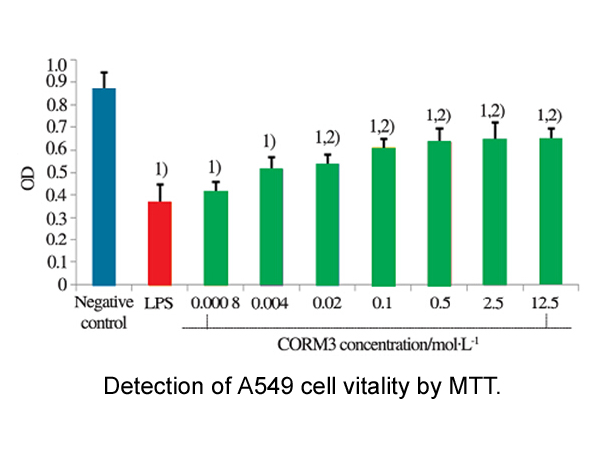
Discussion Acknowledgments Writing of this review and collection of data from our laboratories that are presented were supported by a grant from the Belgian Science Policy (BELSPO) SSTC Interuniversity Attraction Poles Plastoscine P7/17 to AVDL and JB, multiple grants from the Fund for Scienti
-
br Aromatase the key enzyme for estrogen formation
2024-09-25
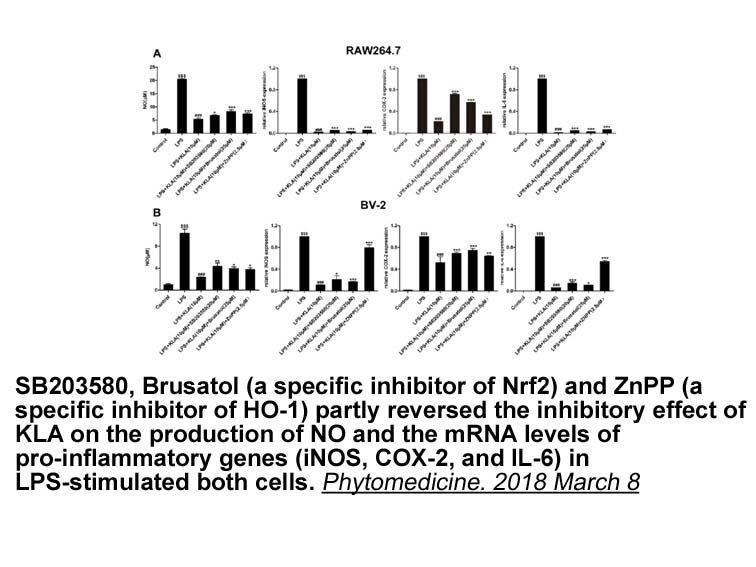
Aromatase: the key enzyme for estrogen formation in adipose tissue Estrogens are synthesized from androgens by aromatase, a member of the cytochrome P450 superfamily, which is the rate-limiting enzyme in estrogen biosynthesis (Santen et al, 2009, Simpson et al, 1994). At the cellular level, aroma
-
Introduction Plant pathogenic fungi are major pathogens
2024-09-25
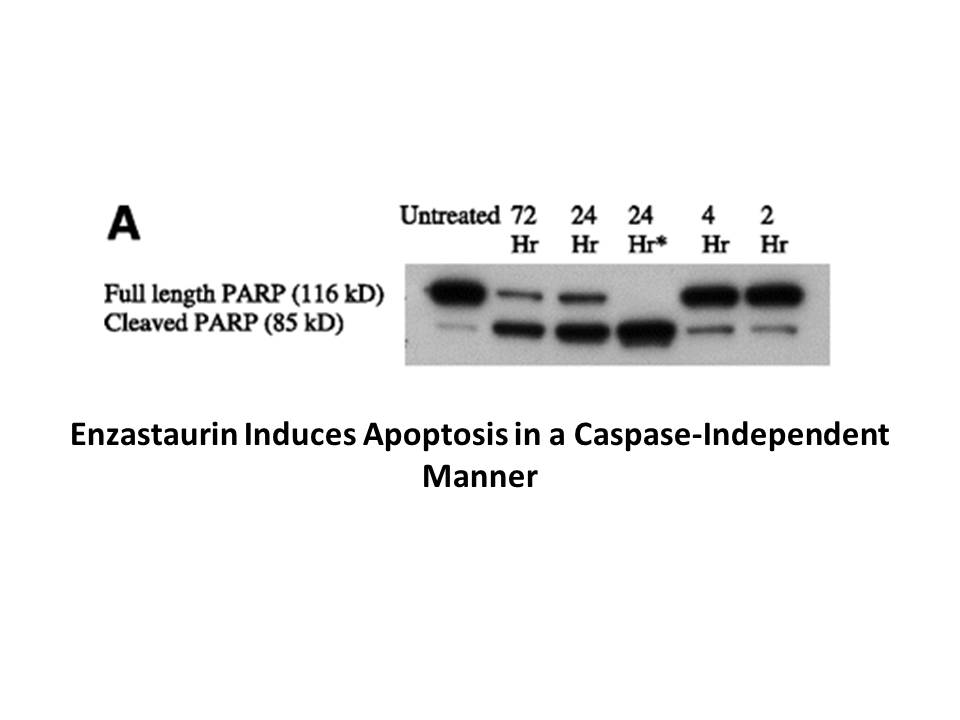
Introduction Plant pathogenic fungi are major pathogens in agricultural diseases and the cause of large crop losses worldwide. There are many kinds of plant pathogenic fungi, with various modes of action. For example, Botrytis cinerea (B. cinerea) is the disease pathogen in the economically importa
-
br Material and methods br Results br
2024-09-25
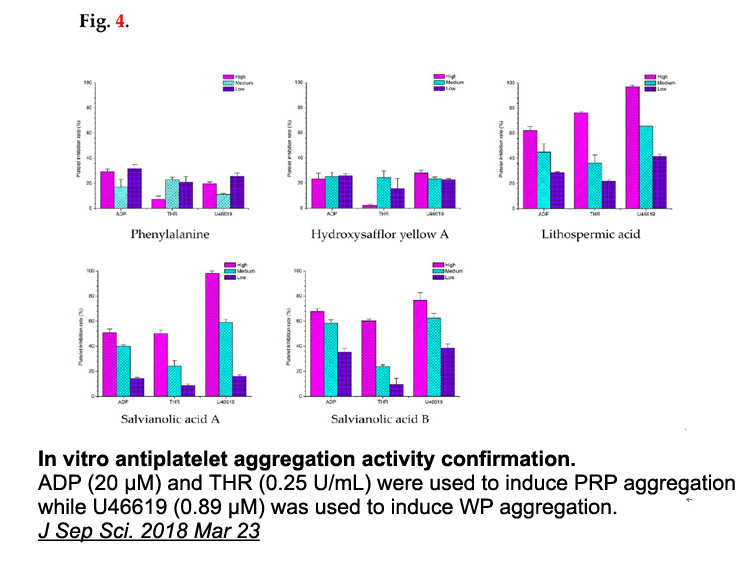
Material and methods Results Discussion Nimodipine administration inhibited the level of AMP-activated protein kinase (AMPK) phosphorylation, a sensor of cellular energy status that directs metabolic hiv fusion inhibitors to support cellular growth and survival. CCH influences the oxygen a
-
Interestingly we noticed that LPS exposure was associated wi
2024-09-25
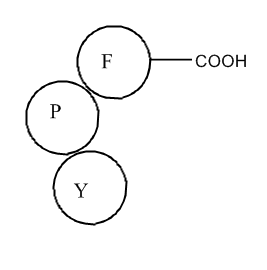
Interestingly, we noticed that LPS exposure was associated with decreased phosphorylation of AMPK and increased phosphorylation of p70S6K1, suggesting that AMPK inactivation and the subsequent mTOR activation might be involved in the development of LPS-induced inflammation. On the other side, treatm
-
There is a growing body of evidence
2024-09-25
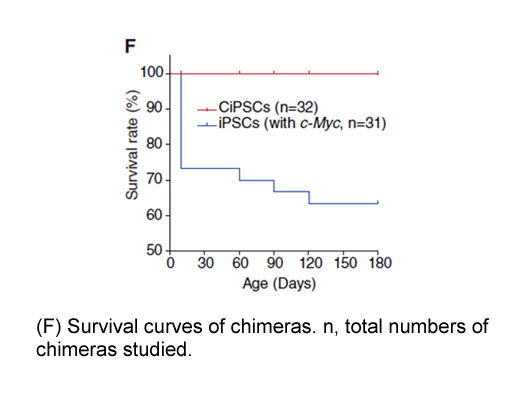
There is a growing body of evidence showing that pentobarbital causes memory disorders [3], [4], [5]. Our results that a single injection of pentobarbital into bilateral hippocampus significantly impaired hippocampus-dependent spatial memory retrieval (Fig. 1) add support to that evidence. Previous
-
Cy5 NHS ester (non-sulfonated) Some of the earliest LOX inhi
2024-09-25
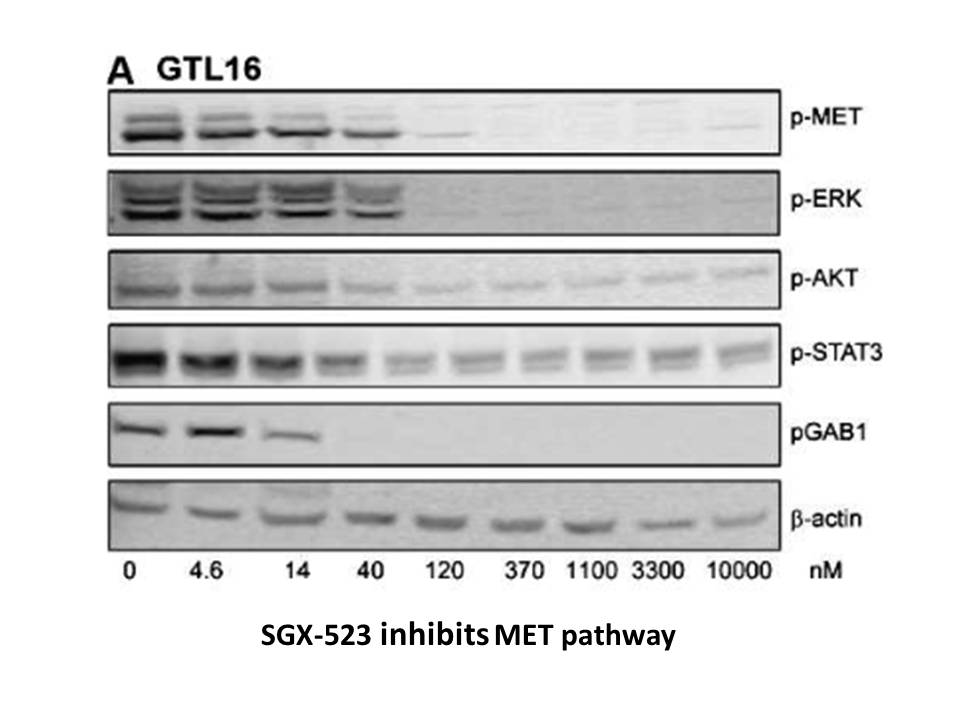
Some of the earliest 12-LOX inhibitors were redox inhibitors, including nordihydroguaiaretic Cy5 NHS ester (non-sulfonated) (NDGA), BW 755C, and baicalein 48, 49, 50. Redox inhibitors block the oxidation of the nonheme iron at the cataylytic site, preventing its conversion from the inactive (Fe2+) t
-
It was also shown that of crizotinib resistance mechanisms
2024-09-25
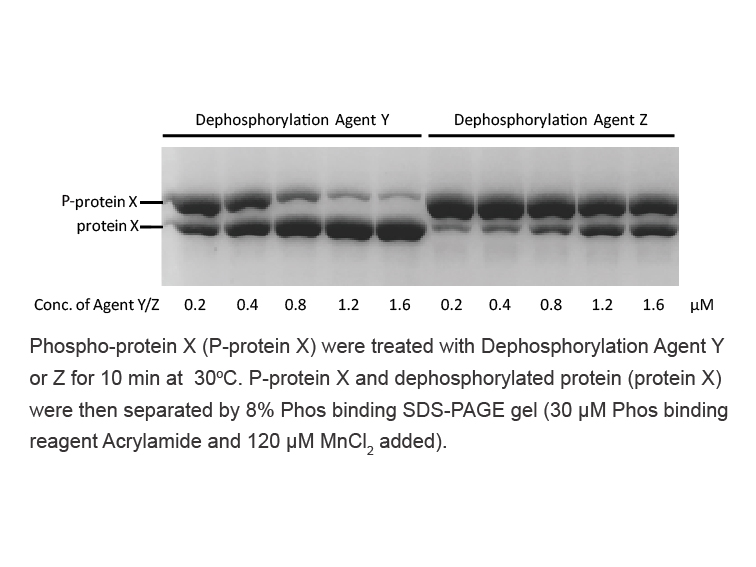
It was also shown that 15% of crizotinib resistance mechanisms can be due to an amplification of ALK gene while 30% are caused by a variety of secondary mutations (S1206Y, G1202R, L1196M, C1156Y, G1269A, L1152R, F1174L and 1151Tins) in ALK tyrosine kinase. These mutations can modify the conformation
-
In order to get a better understanding
2024-09-25
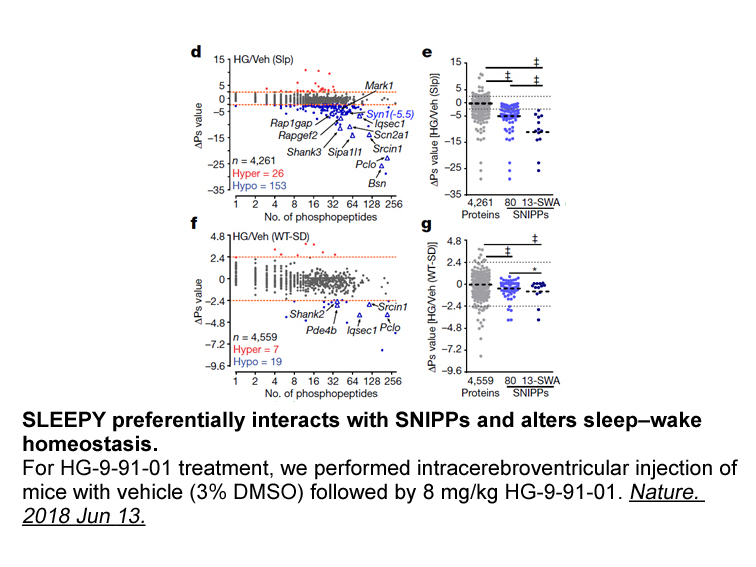
In order to get a better understanding of this synergy, we tested the effect of preliminary incubation of Adox with non-stimulating concentrations of gonadotropins or FSK before subsequent stimulation by FSK or gonadotropins alone, also at sub-stimulating concentrations. We observed that human LH (h
-
During the year study period of men
2024-09-24
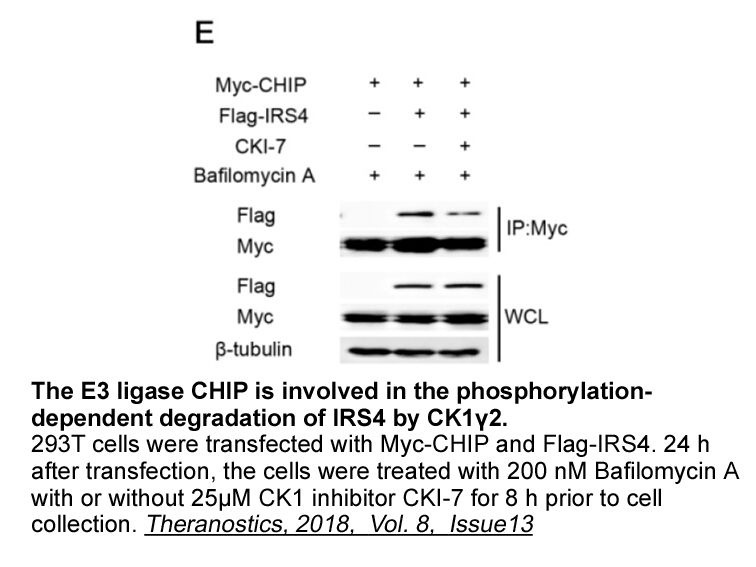
During the 4-year study period, 19.9% of men in the dutasteride group developed prostate cancer as compared to 25.1% in the placebo group, which represents an absolute risk 8-CPT-2Me-cAMP, sodium salt of 5.1% for men taking dutasteride (Pe weighed against the prospect of undesirable sexual side eff
-
Skeletal pain associated with bone fracture is
2024-09-24
Skeletal pain associated with bone fracture is another area of critical need for a novel pain medication. NSAIDs and opiates are the two major therapies currently used to manage bone fracture pain. However, both of these therapies lead to significant unwanted side effects. Using the osteotomy model
8537 records 107/570 page Previous Next First page 上5页 106107108109110 下5页 Last page